
A First-Timer's Guide To Exploring Hanoi, Vietnam
Updated: Jan 28

If you are visiting Hanoi, Vietnam for the first time, prepare for a memorable experience. Hanoi is a sensory journey that will captivate you in a big way.
A common way to explore Hanoi is to hire a guide and driver to pick you up at your hotel each day and take you to all the tourist spots. During our first visit in 2017, we decided to take this approach. We did see the popular sites, but really missed the "essence" of the city.
If you have the chance to plan your visit to Hanoi, consider skipping the typical "tourist checklist" and instead take your time to truly immerse yourself in the local culture.
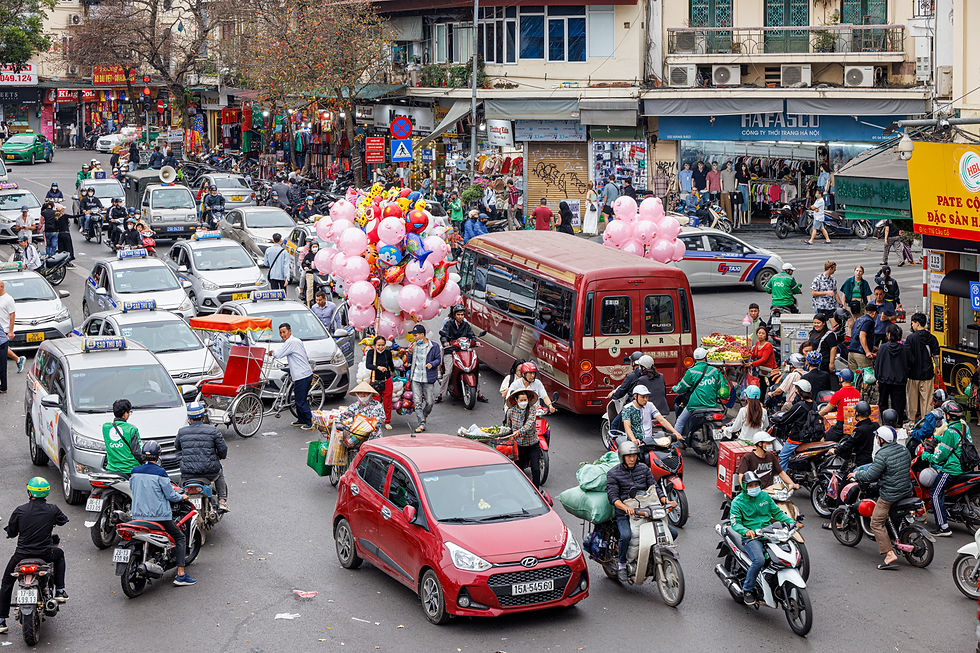
By strolling the streets of Hanoi at a relaxed pace, you'll easily discover numerous tourist spots. You can even learn to navigate streets bustling with bicycles, scooters, pedestrians, street carts, buses, and cars, which is an experience in itself.
After visiting Hanoi close to a dozen times, I have put together a guide I hope will make your visit to this vibrant city one to remember.
FIRST TIMER'S GUIDE TO EXPLORING HANOI, VIETNAM
WHERE TO STAY IN HANOI
Choosing where to stay in Hanoi depends on what you want to experience during your visit. Here are four popular locations to consider, along with what each one offers.
OLD QUARTER
For culture and convenience (and especially for a first-time visitor), staying in the Old Quarter in Hanoi is hard to beat. This area is right in the middle of everything, with shops, temples, restaurants, Hoan Kiem Lake, Beer Street, Train Street, and where most of the tourists hang out.
The Old Quarter is a favorite among backpackers and travelers who want to be at the heart of all the action.
Hotels to check out include The Oriental Jade Hotel, the Hanoi Lotus Boutique Hotel, and Hotel Emerald Waters Classy.

FRENCH QUARTER
If you are looking for a bit more tranquility and elegance, you can choose the French Quarter. It’s within walking distance to the Old Quarter, the streets are wider, and there aren’t quite as many tourists. For those looking for a more upscale and calmer environment, this might be a good choice.
Consider exploring the renowned Sofitel Legend Metropole. Although we haven't stayed there ourselves, we have discovered a wealth of Vietnam War history within this hotel. It's open to the public and worth a visit.

WEST LAKE
This area has a resort-like vibe, with hotels offering waterfront views of West Lake, the largest lake in Hanoi. Along West Lake's shores, you can find historical sites, as well as many hotels, restaurants, and cafes.
Walking, jogging, or cycling around the lake is a great way to escape the hustle and bustle of the Old Quarter.
Although you can walk to the Old Quarter from West Lake, it’s a bit of a hike, and a short taxi ride will get you there in 10 minutes. Be aware of the taxi cab scams, though.
Hotels to check out in the West Lake area include the Pan Pacific Hotel and Tonkin Luxury Boutique Hotel and Spa.

BA DINH DISTRICT
The final area to mention is home to several historical and political attractions and is known for its upscale accommodations.
In this neighborhood, you’ll find the Ho Chi Minh Mausoleum, the Presidential Palace, and the Temple of Literature.
Hotels to check out in Ba Dinh District include the JW Marriott Hotel Hanoi and Capella Hanoi, both top-tier options.

WHEN TO VISIT HANOI
High Season: October - February is the peak travel time in Hanoi. The weather is cool and pleasant. These are also peak travel months where tourism and prices are higher. Note to travelers: Late-season typhoons are still possible in October, so be aware of the risks they may pose to your travel plans.
After High Season/Before Rainy Season: March - April. These are my favorite months to visit. The weather can be beautiful, there are fewer crowds, and in some places, prices have dropped.
Low Season: The months of May through August are hot, humid, and officially part of Vietnam’s typhoon season. Local heavy rains, flooding, and hot, humid conditions can occur during these months.
HOW TO VISIT HANOI (IN A DIFFERENT WAY)
I could give you the top 10 things to do in Hanoi, and you could visit each one, take your selfie, and move on to the next. But you will miss the true spirit of Hanoi.

Hanoi is all about culture, food, and yes, like I mentioned earlier, its scooters and
motorbikes.
It’s never dull, but it can be overwhelming. To truly experience Hanoi, look past the noise, air quality, and hustle, and you'll embark on a sensory journey that you'll soon never forget.
It wasn’t until my third trip to Hanoi that I truly learned how to see the city. I needed to slow down and experience daily life in the cafes, pagodas, and especially on the streets alongside the local people.
The people of Hanoi are always ready to welcome you to their city, so let’s get started.
1. HANG OUT AROUND HOAN KIEM LAKE
Hoan Kiem Lake feels like the heart of Hanoi. It’s a perfect spot for a walk, taking photos, or soaking up the local coffee chatter in the cafes.

Early mornings attract locals performing tai chi, and sunsets are enjoyed by couples sitting hand in hand. It’s a very scenic spot rich in history, offering a chance to share daily life with local people.
During the day, the streets come to life with food vendors, street musicians, photographers, and tourists.

The best time to visit is on the weekends in the evening when the streets around the lake are closed to traffic and turned into a pedestrian zone filled with activities. Saturday night even brings live performances along the lake.
Photo Tip: For the best opportunities, visit the lake early in the morning, around 6:00 am, when it is quiet, and the light is soft.
How to get there: If you're staying in the Old Quarter, it's within walking distance. If you're coming from Noi Bai International Airport, a taxi or Grab ride takes about 45 minutes.
2. EXPERIENCE TRAIN STREET
Train Street is a railway line running through a residential neighborhood in Hanoi's Old Quarter. The train runs through the area twice a day, with just a meter or so of space on either side. It goes by within an arm’s length of some of the houses.
Seeing and feeling the train roll through the neighborhood is a fun experience.

We first discovered Train Street back in 2017, before it became a popular Instagram spot. The original Railway Hanoi Café was the place to enjoy a Vietnamese coffee and wait for the train. While other locals took note and began to see popularity and interest grow along the tracks, more cafes opened in the neighborhood.
Today, Hanoi’s Train Street is more than an “Instagram” selfie location where people stop for a few minutes, snap their photo, and leave. It's a great place to pull up a chair, chat with locals, or meet other travelers.

When we return to Hanoi, we make a point of meeting our local friend who still lives along the track. We have also met fellow travelers, shared some laughs, a local beer, and waited for the train to come past.

3. VISIT THE LOCAL MARKETS
Want to learn more about a culture or neighborhood? Visit the local street market. The vibrant, bustling, and unique markets function much like a cultural center. Hanoi is no exception.
The biggest market in Hanoi is Dong Xuan Market, just north of the Old Quarter. Although it’s not set up to serve tourists, you will get a glimpse of local food, produce, meats, and household goods. It’s not really a place for souvenirs, but it’s a fun place to learn more about the Vietnamese culture.

Not far from Dong Wuan Market and the railway street is the Hang Da Market. This is an indoor market and a good place to find imported wines, second-hand clothing, fabrics, and a traditional Vietnamese breakfast.
Finally, visit the Old Quarter Night Market. There is a fun vibe here at the night market. It operates from Friday through Sunday, from 6:00 pm to 12:00 am, on Hang Dao Street. This is a place to buy clothing, ceramics, and more. If you love bringing home souvenirs, this market might be for you.

Haggling and bartering are common in local markets and are an essential part of the buying experience.
4. CHECK OUT THE COFFEE SCENE & HIDDEN CAFES
The hustle and pace of Hanoi isn’t for everyone, especially if you get overwhelmed by large crowds, busy streets, and a lot of noise. However, there are plenty of great hidden cafes and coffee shops to relax and enjoy the atmosphere.
If you begin to feel overwhelmed, grab a small stool in a coffee shop, order your favorite Vietnamese coffee, and take it in. The motorbikes, pedestrians, small trucks, and cyclos are like a well-directed motion picture. Everyone seems to move with a sense of grace, with a bit of skill, and an occasional beep of the horn.

The coffee scene in Hanoi is big, and there are enough small shops to find one on nearly every corner. I recommend the local Vietnamese Egg Coffee. It’s a unique brew made with strong Vietnamese coffee, topped with a rich, creamy foam of whisked egg yolk, sugar, and condensed milk. It’s a treat!
5. TAKE A FOOD TOUR (OR TRY THESE LOCAL DISHES)
Street food tours are popular in Hanoi, and you can find many on Viator and GetYourGuide.
If tours don’t interest you, at least try the street food. It’s a culture all on its own.
While restaurants are often better than street food carts, enjoying local street food is part of the experience (although we have had some truly great street food in Hanoi).
My advice is to check out lesser-known food stalls and eateries; well-known restaurants tend to be very touristy.
Here are some must-try dishes in Hanoi:
BAHN MI: We love Bahn My Mama, a small eatery near St. Joseph’s Cathedral in the Old Quarter. We've never been there when it wasn’t a line down the street.

BUN CHA: Our first experience with Bun Cha was at Bun Cha Huong Lien, where President Obama and Anthony Bourdain ate their $6 dinner of Bun Cha. Bun Cha is sweet, salty, sharp, crispy yet chewy, soft yet crunchy. It’s pretty darn good.

HANOI PHO: Vietnam is all about its Pho, and it is a favorite. The star of the show is always the broth. Traditional pho shops will usually leave their broth to simmer and develop overnight, like a work of art. Pho can be found all over the Old Quarter.

BAHN XEO:
Savor this dish while seated on a small plastic stool at a tiny metal table. These are crispy rice-flour pancakes stuffed with a tasty combination of shrimp, pork, bean sprouts, and fresh herbs. They are typically accompanied by fish sauce and lettuce leaves for wrapping. My preferred spot is Mia's Restaurant in the Old Quarter.

BIA HOI: I had to include the local beer. Brewed fresh daily, it’s a light, low-alcohol beer (usually around 3%). There's actually a street in the Old Quarter called Beer Street, but you can find Bia Hoi all over town.

6. HISTORICAL SITES (IF YOU WANT SOME HISTORY)
I have visited most of the historical sites in Hanoi, and my fondest memories still come from spending time with the local people, sharing their food, and meeting new friends. However, to gain a complete understanding of the Vietnamese culture, a grasp of history is essential.
Here are the major historical sites in Hanoi:
Ho Chi Minh Mausoleum & Complex: The President Ho Chi Minh Mausoleum is the resting place of Vietnamese revolutionary leader and President Ho Chi Minh in Hanoi, Vietnam. (Yes, if you want to view the body of Ho Chi Minh, this is the place.)
Hoa Loa Prison: Hỏa Lò Prison was a prison in Hanoi originally used by the French colonists in Indochina for political prisoners, and later by North Vietnam for U.S. prisoners of war during the Vietnam War. During this later period, it was known to American POWs as the "Hanoi Hilton".

Temple of Literature: A renowned and historically significant landmark in Hanoi, it provides a tranquil retreat from the bustling city and offers insight into Vietnam’s academic and spiritual heritage.
Thang Long Imperial Citadel: The Imperial Citadel of Thang Long, also known as Hoang Thanh Thang Long, a UNESCO World Heritage site, is arguably the most treasured historic site in Hanoi.
The Old Quarter:
Hanoi's bustling Old Quarter consists of almost 40 streets filled with shops offering a wide variety of products, with each street named after its main product or service.

Bach Ma Temple: Situated in the center of Hanoi's Old Quarter, it is considered a significant historical site linked to King Ly Thai To's relocation of the capital.
Long Bien Bridge: A renowned and historic landmark in Hanoi offers stunning panoramic views and an exciting pedestrian crossing. Don't miss a walk across Long Bien Bridge!
WHAT NOT TO DO IN HANOI
This one is easy, as I’ve learned from experience. Here are some things NOT to do in Hanoi.
1. Stay only inside Hanoi Old Quarter (and not leave the city limits).
2. Only visiting the well-known eateries in the touristy areas.
3. Not bartering.
4. Drinking the tap water.
5. Falling for tourist scams.
6. Not learning basic Vietnamese.
7. Overpacking or wearing uncomfortable shoes. You will walk a lot.
8. Visiting Hanoi at the wrong time of year.
BEST DAY TRIPS (OR LONGER) OUTSIDE OF HANOI
Hanoi is an excellent base for day trips or 1-3 day adventures. There are numerous options, but I will highlight the most popular ones here.
HA LONG BAY
One of the most popular trips from Hanoi is to Ha Long Bay. Check out my article on HA LONG BAY to learn more.

MAI CHAU
We love Mai Chau and have visited it several times. It is worth spending a few days here to immerse yourself in Vietnam's rural culture and get a break from the big city.

NINH BINH
Another very popular trip is a few days in Ninh Binh. Day trips are available, but this location is worth at least a few days.

SA PA
You will want to spend several days in Sa Pa. If you are a hiker or would like to learn about a few ethnic groups in Vietnam, head to the highlands of Northern Vietnam.
Although Sa PA is struggling with overtourism, it is still worth the journey.

HAI GIANG PASS
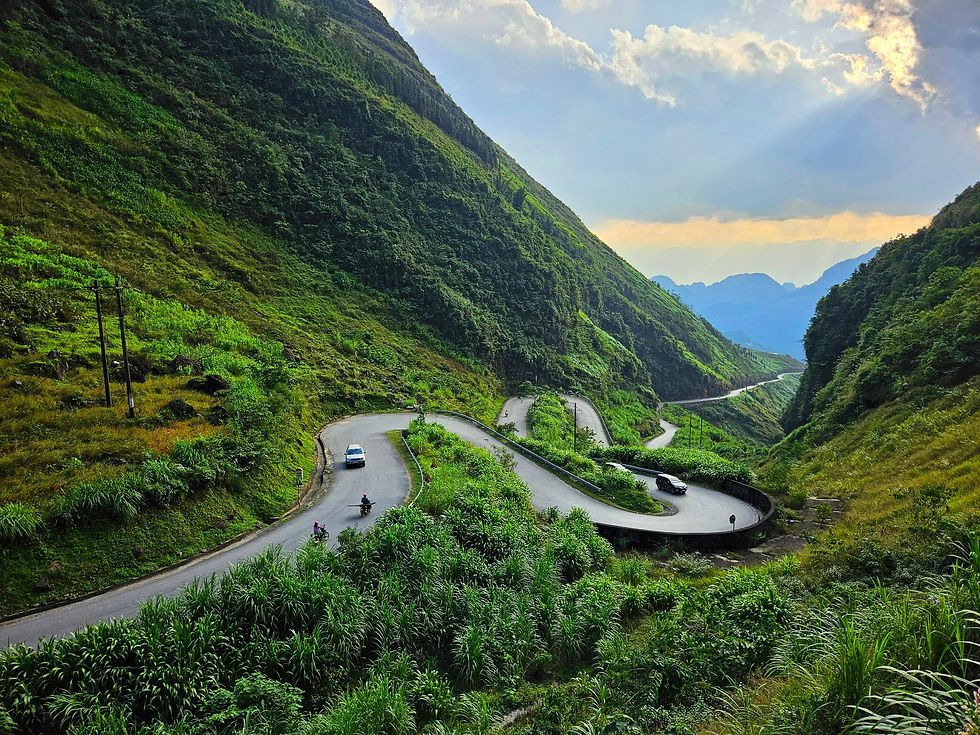
For more adventurous travelers, a 3-day motorbike ride through the high country of Northern Vietnam should be on your list.
I highly suggest a guided tour, and if riding a motorbike isn't for you, hire a driver. This one is still on our list.
PERFUME PAGODA
We loved the Perfume Pagoda, and if you have a free day in Hanoi and are interested in Buddhist temples, it's worth a visit. But be prepared for crowds, and be aware that it can be physically challenging with all the stairs. The scenery is breathtaking.

BAT TRANG POTTERY VILLAGE
This village is worth a day trip. It is one of the largest ceramic suppliers in Vietnam.
DUONG LAM ANCIENT VILLAGE
Visiting the ancient village of Duong Lam makes for an enjoyable day trip and offers a chance to see houses that are over 400 years old.
INCENSE AND HAT VILLAGE
The incense village, a favored destination for photographers, makes for an excellent day trip from Hanoi. It's an ideal opportunity to capture vibrant photos of Vietnamese women crafting incense.
FINAL THOUGHTS
Hanoi is a vibrant and historic city experiencing a significant rise in tourism. In 2025, Vietnam achieved a milestone by attracting 21.2 million international visitors, marking a 20.4% increase from the prior year and setting a new record.
Recently, TripAdvisor ranked Hanoi as the 4th trending city destination for 2026.
Whether you hire a guide, join a tour, or simply do your own research, I suggest learning as much as you can about Vietnamese culture and history before your visit.
I hope you enjoyed my guide for first-timers in exploring Hanoi, Vietnam. Wherever your journey takes you, I wish you a safe and memorable experience.
Marla


Comments